A good ID scanner should make the door check more consistent. It should not give staff a false sense that a green result means an ID is definitely genuine.
That distinction is central to evaluating a fake id scanner app.
There are several different problems that people casually call a “fake ID,” and a scanner does not address all of them in the same way.
Not every fake ID problem is the same
An expired document is not the same problem as a counterfeit document. A legitimate ID being used by the wrong person is different again.
Consider four situations:
The document is real but the guest is underage. An age check can identify this quickly.
The document is real but expired. A scan can flag the expiration date when that information is available and supported.
The card has been altered or counterfeited. Visual and document-level checks become more important.
The guest is using somebody else’s legitimate ID. The barcode can still contain valid information. Staff have to compare the person with the document.
A useful scanner workflow therefore needs to be understood for what it actually checks.
What barcode scanning can tell you
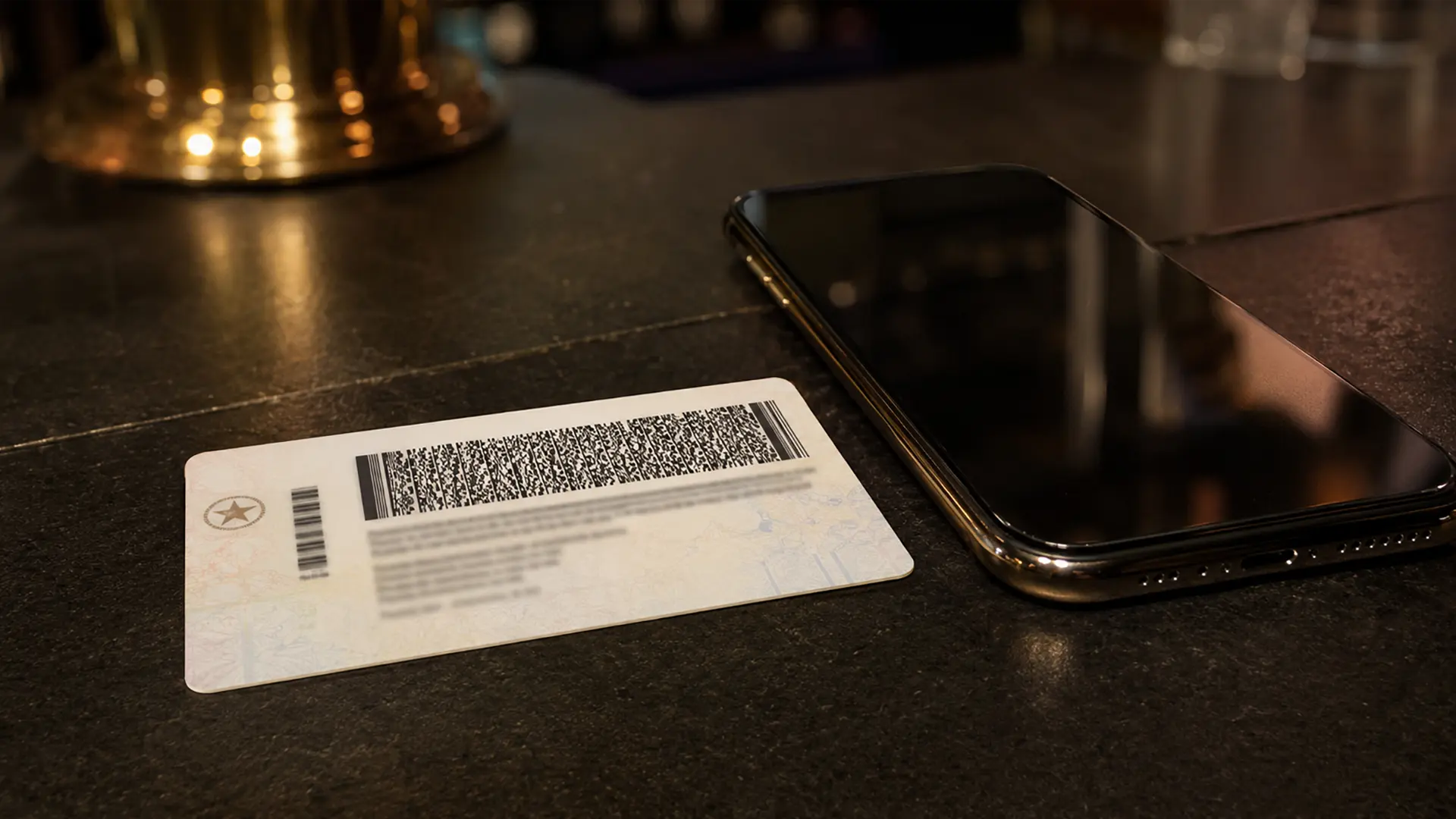
Many US driver’s licenses and state identification cards use machine-readable barcodes. When a supported barcode is scanned, software can decode structured fields and apply rules such as age and expiration.
That makes barcode scanning valuable at a busy door. Staff do not have to manually calculate every birth date, and the same basic rule can be applied across a team.
If the barcode and the physical front of a counterfeit document have been constructed to agree, a barcode-only system may have no way to know that the entire document is fabricated.
Why layered checking is different
A stronger workflow can use more than the barcode.
The first layer is the machine-readable data. The next can involve inspecting the front of the ID and looking for inconsistencies. A further cross-check can compare visible information with the decoded data.
IVO supports barcode verification, front-of-ID verification, and layered cross-checking on iOS.
That still does not mean every counterfeit will be identified automatically. The purpose is to give staff more information when making the door decision.
What staff still need to look for
Technology does not remove the need for a physical inspection.
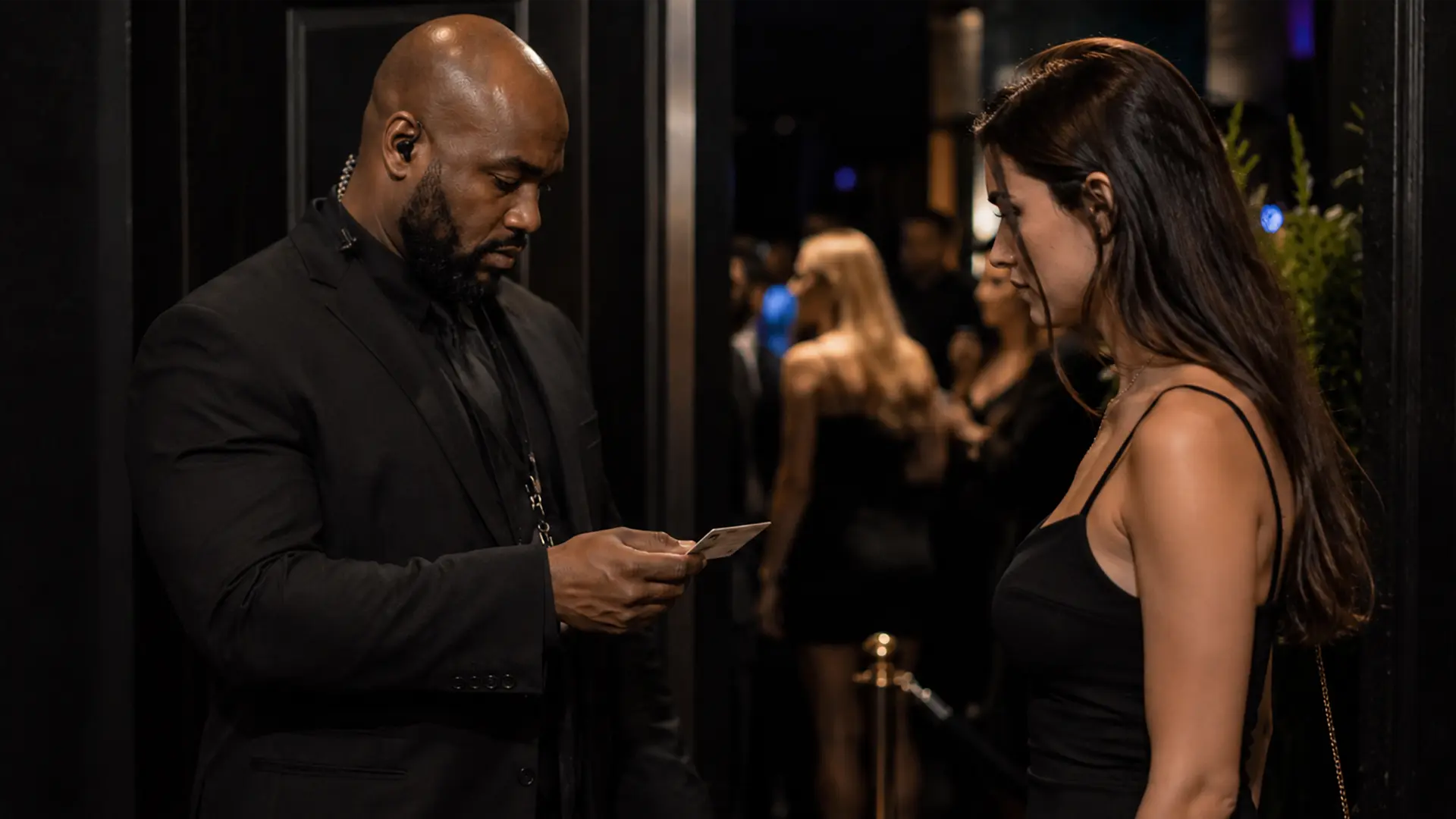
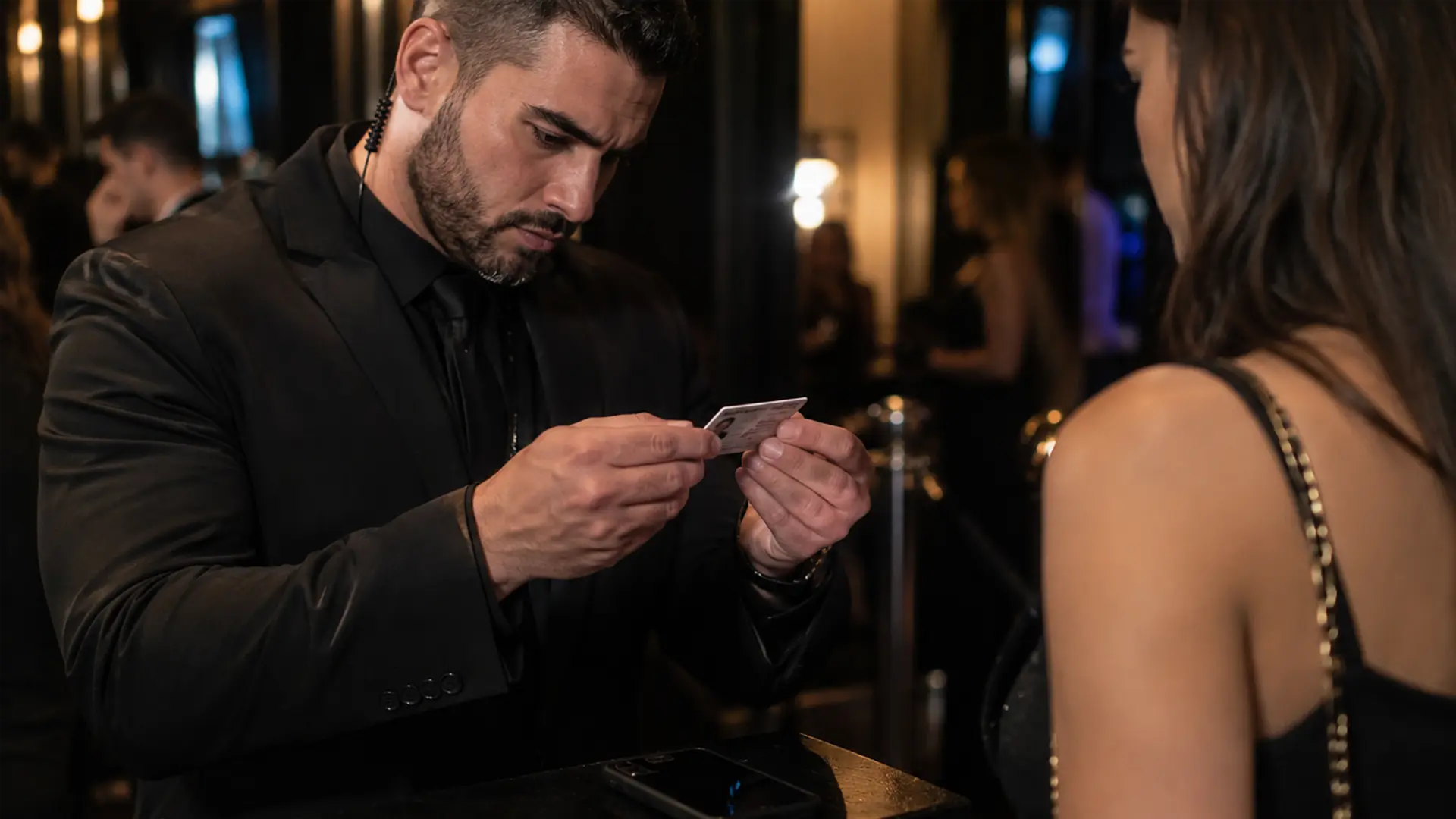
Staff should still compare the photograph with the person presenting the ID and pay attention to obvious inconsistencies in the document. If something does not make sense, the correct response is to follow the venue’s escalation procedure rather than treating the app as the final authority.
This is especially important with borrowed IDs. The document can be completely legitimate while the person presenting it is not the person shown on the card.
Do ID scanner apps work?
Yes, but the useful question is what are you asking the app to do?
An app can be very effective at structured age and expiration checks. It can also help identify certain inconsistencies when it supports additional verification modes.
It cannot guarantee that every document is genuine or that every person presenting an ID is the legitimate holder.
That is not a weakness unique to phone apps. It is a limitation of the problem itself.
What should a venue ask when comparing apps?
If your goal is fake-ID screening, ask whether the product:
- Supports the ID formats common in your market
- Reads the machine-readable data rather than only taking a photograph
- Provides checks beyond a raw barcode decode
- Lets staff see results clearly under pressure
- Supports a consistent workflow across multiple devices
- Keeps appropriate scan history when management needs it
Also ask what the product does not claim to detect. Honest limitations are a better sign than a promise that one scan can identify every fake.
A sensible door procedure
A venue can make the technology more useful by defining what staff should do with the results.
For example:
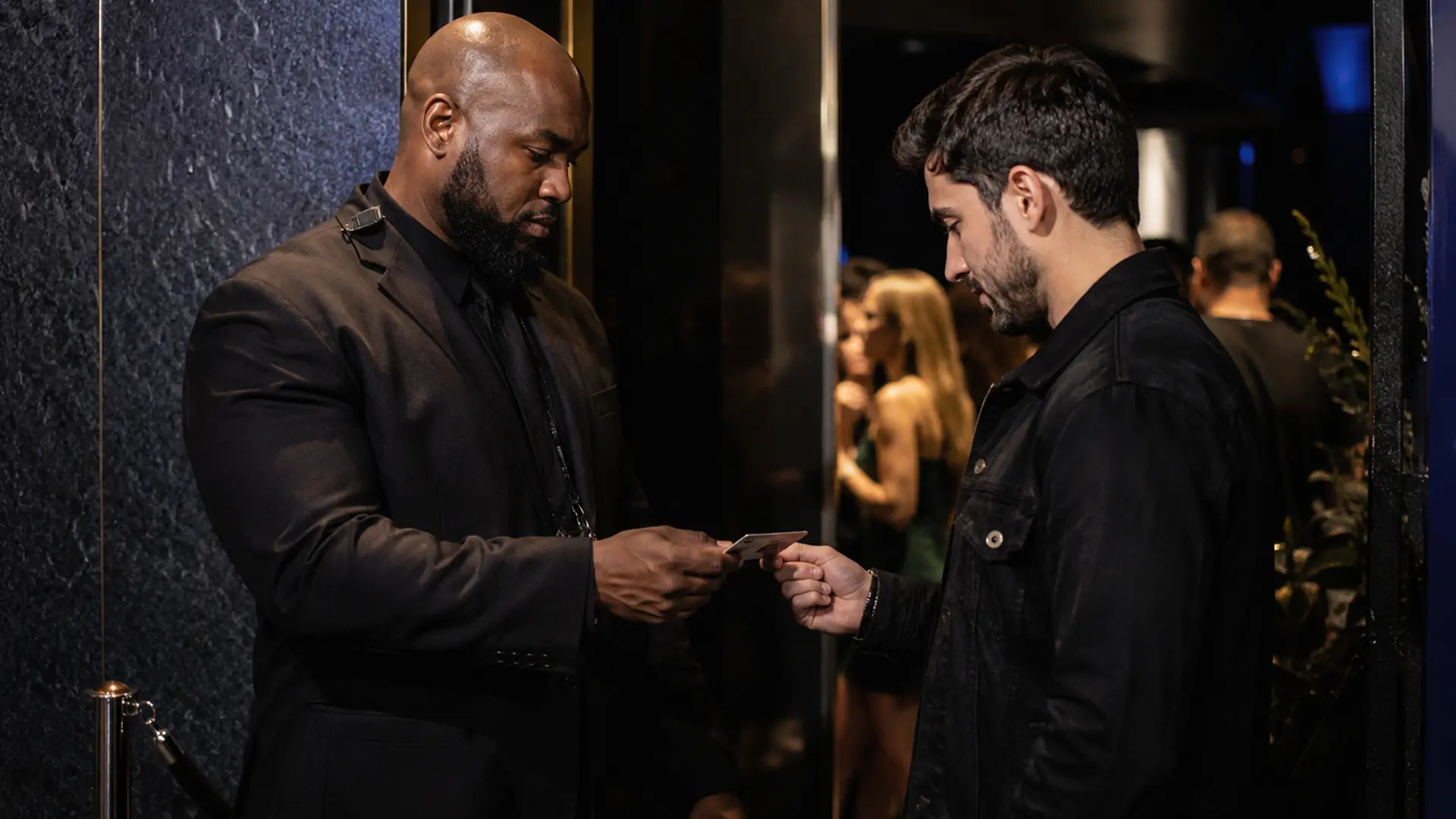
- Ask for the physical ID.
- Scan it using the venue’s normal procedure.
- Review the age, expiration, and verification result.
- Compare the person with the photograph and inspect anything suspicious.
- Escalate unclear cases according to venue policy.
- Record a ban or other relevant event when the venue’s policy calls for it.
The exact procedure should reflect the venue’s local requirements and risk profile.
The important distinction
A fake id scanner app should be treated as decision support, not an autopilot.
The strongest setup is not the one that promises to replace the person at the door. It is the one that gives that person useful information quickly, applies the venue’s rules consistently, and keeps the rest of the team informed when the situation requires it.
IVO takes that approach on iPhone and iPad, combining barcode and front-of-ID checks with layered verification, Team Sync, ban management, and scan history.